Multi Modal Communication System. A system designed to reduce cognitive load and improve communication in extreme conditions.
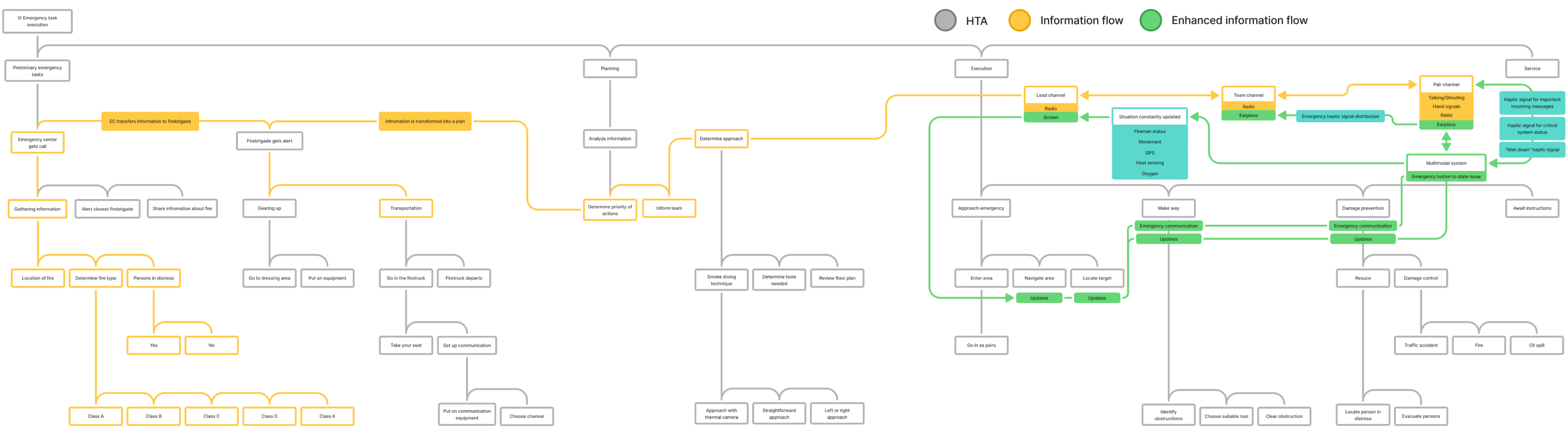
We analyzed the firefighting workflow through extensive desk research and expert consultation. By combining a Hierarchical Task Analysis with an Information Flow Model, it allowed us to map out how communication occurs at every step of a mission.
This approach highlighted critical cognitive bottlenecks in the current workflow, allowing us to identify specific opportunities where our product could enhance efficiency
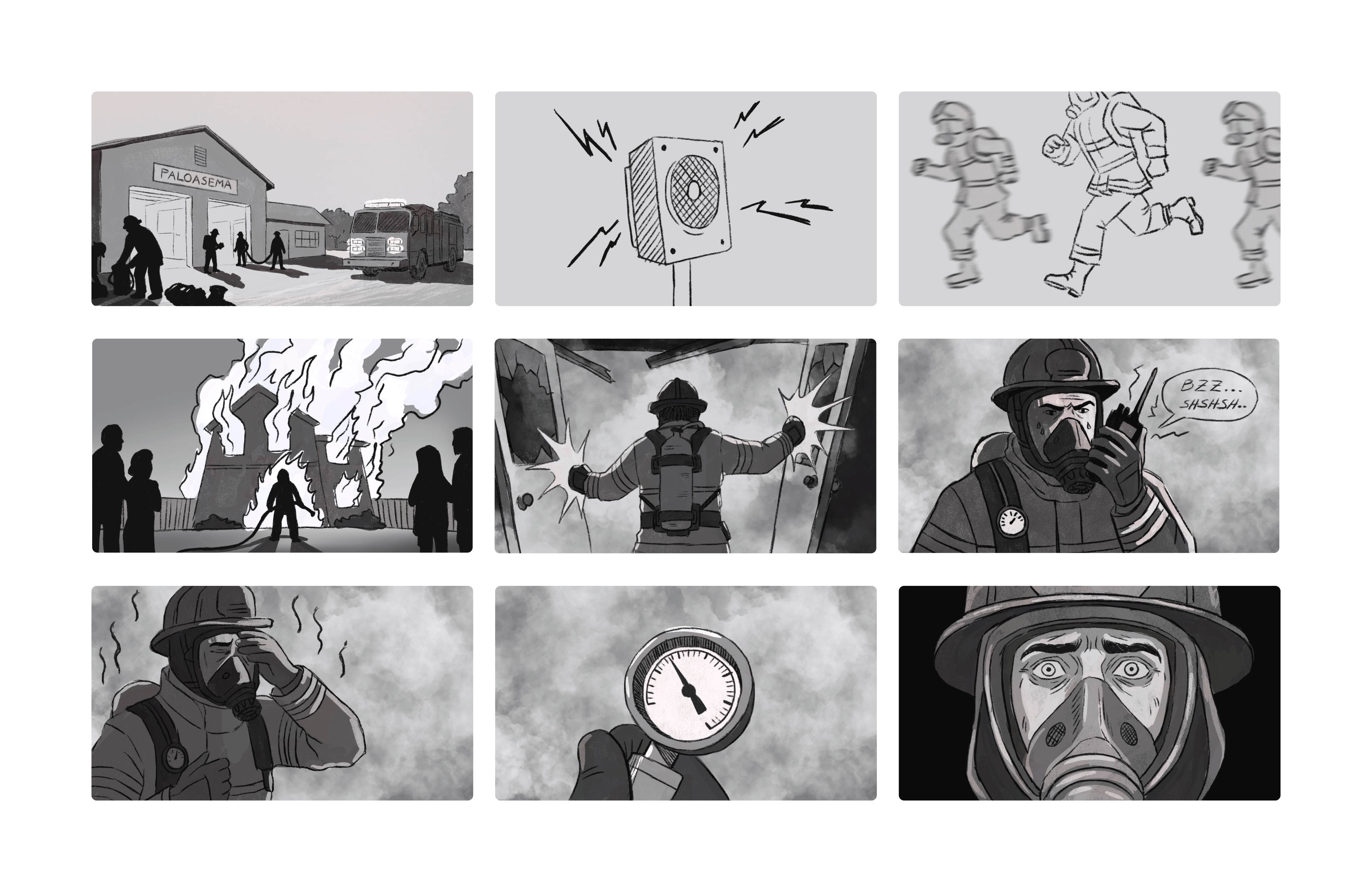
Firefighters face three critical challenges: cognitive overload from juggling equipment and communication, information disconnect caused by unclear transmission, and the silent threat of heat exhaustion which significantly increases operational risk.
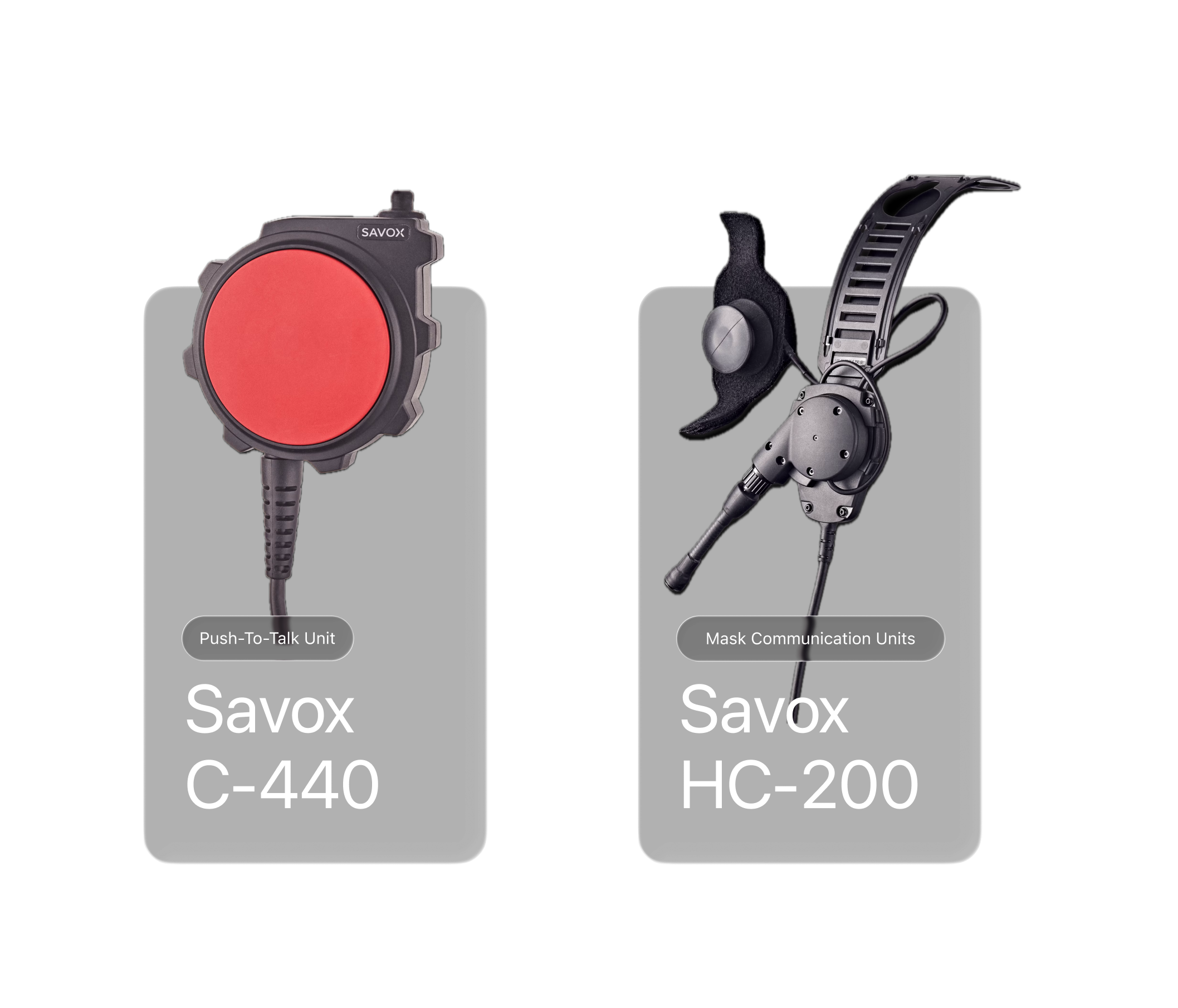
Our analysis of existing products (such as Savox and Dräger) revealed that separate devices for air monitoring and communication cause fumbling. Additionally, current radio audio is often distorted and unclear, requiring messages to be repeated.
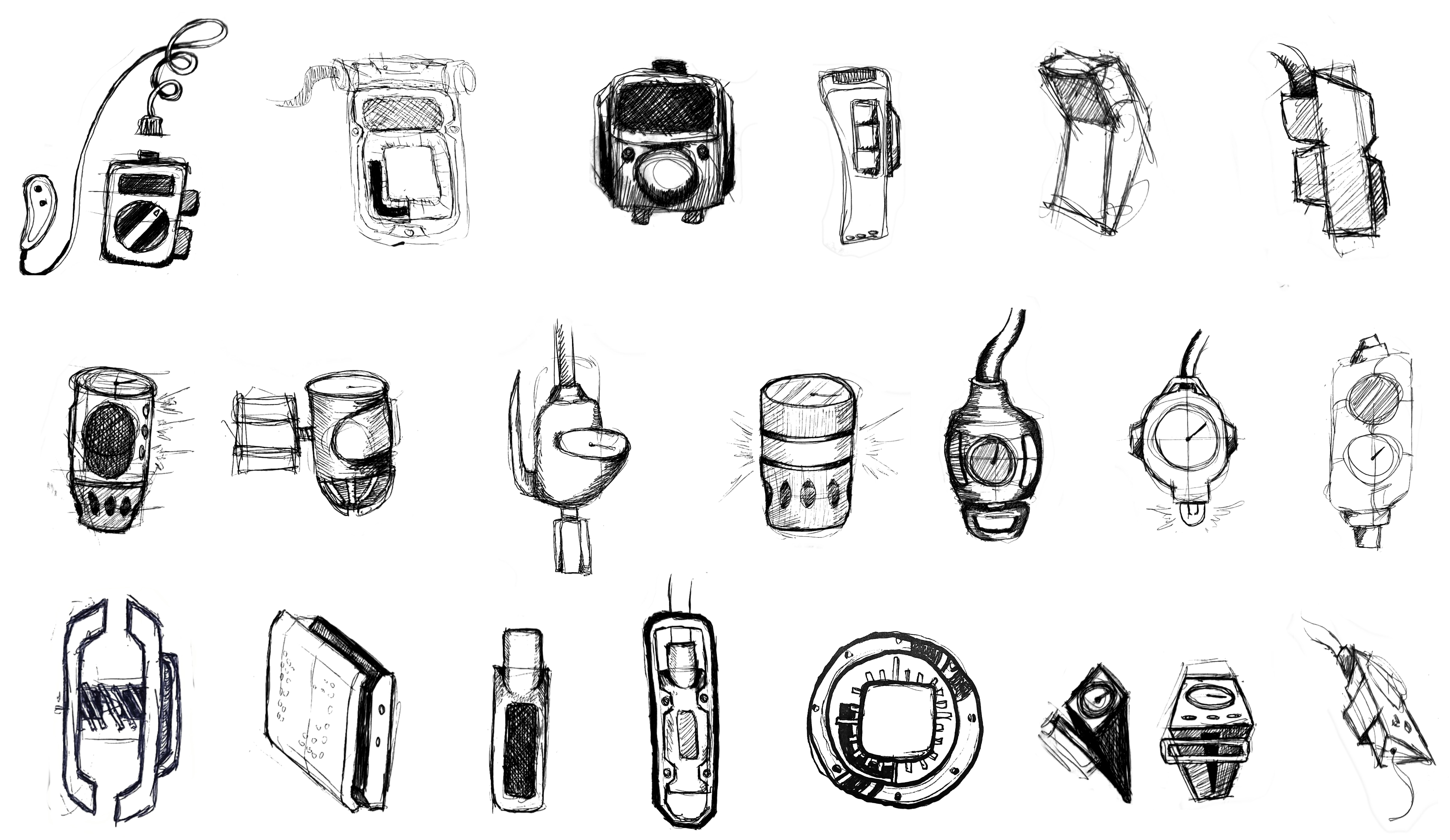
We explored several concepts that effectively utilized integration. We also ideated using GenAI (Gemini) to verify concept viability. Physical cardboard mockups were created to validate the ergonomics and form factor of our designs.
Refining the chosen concept, we focused on seamless integration. We utilized 3D modeling tools to finalize the design details, ensuring the device remains robust yet intuitive to use with thick gloves.
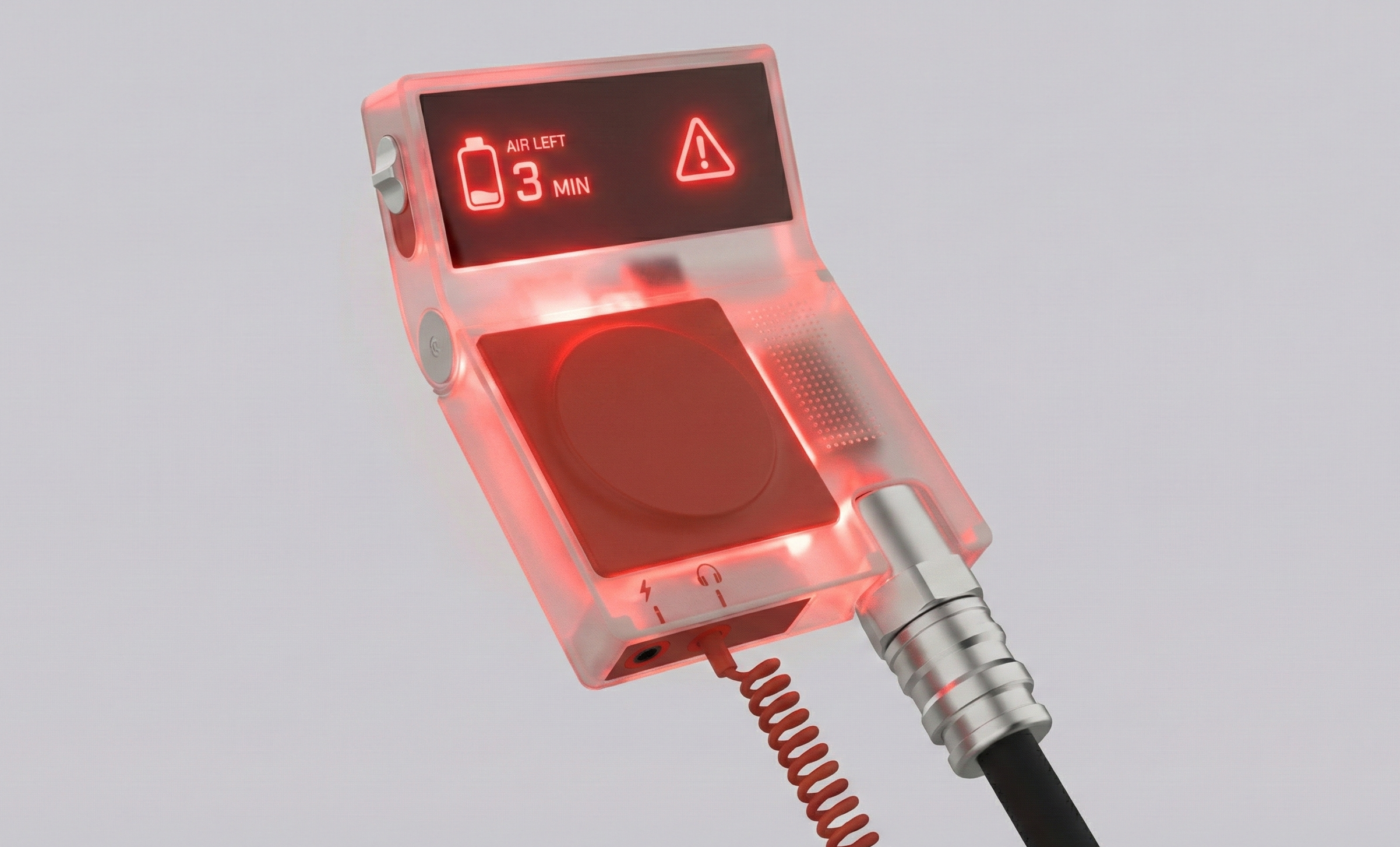
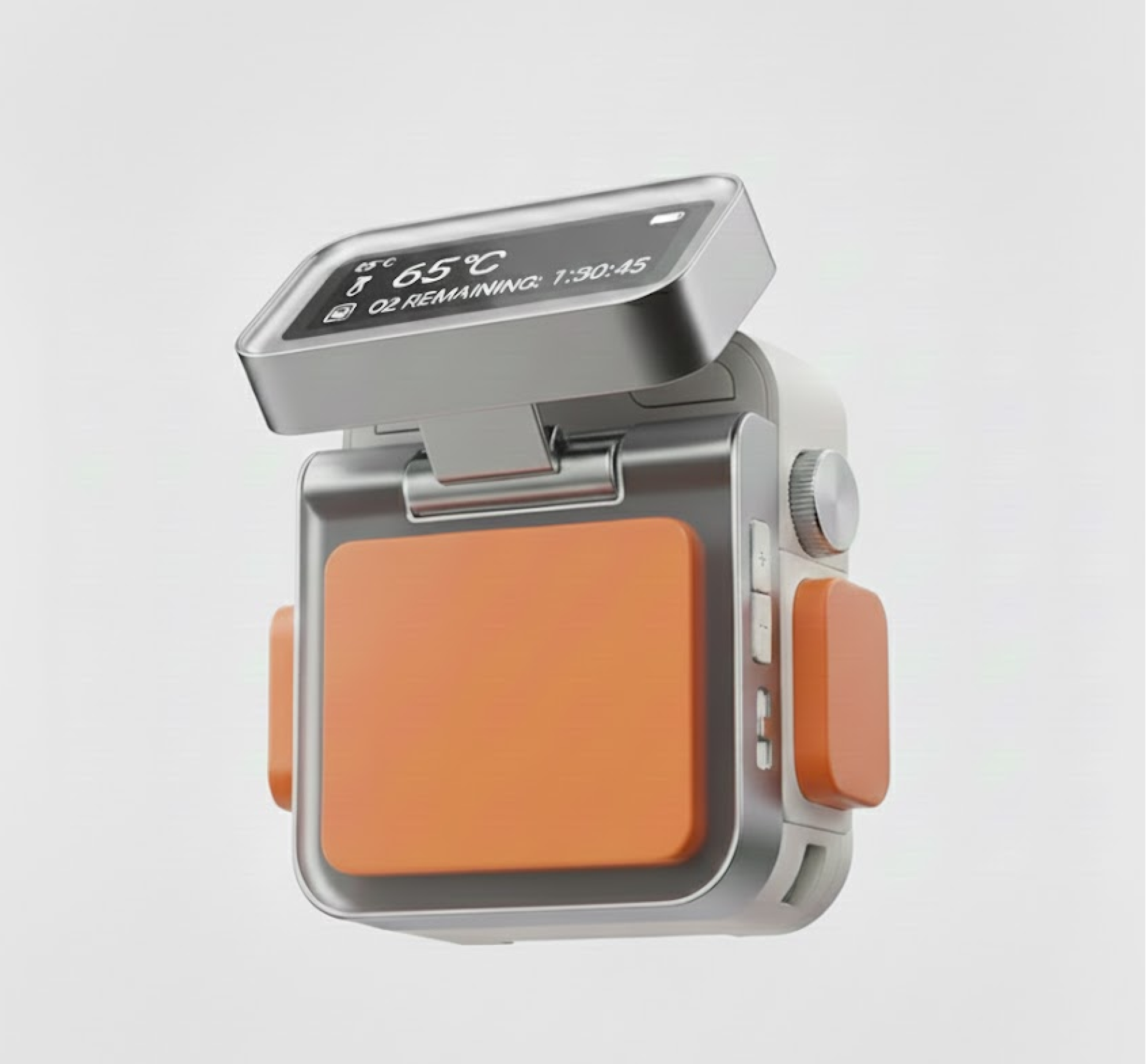
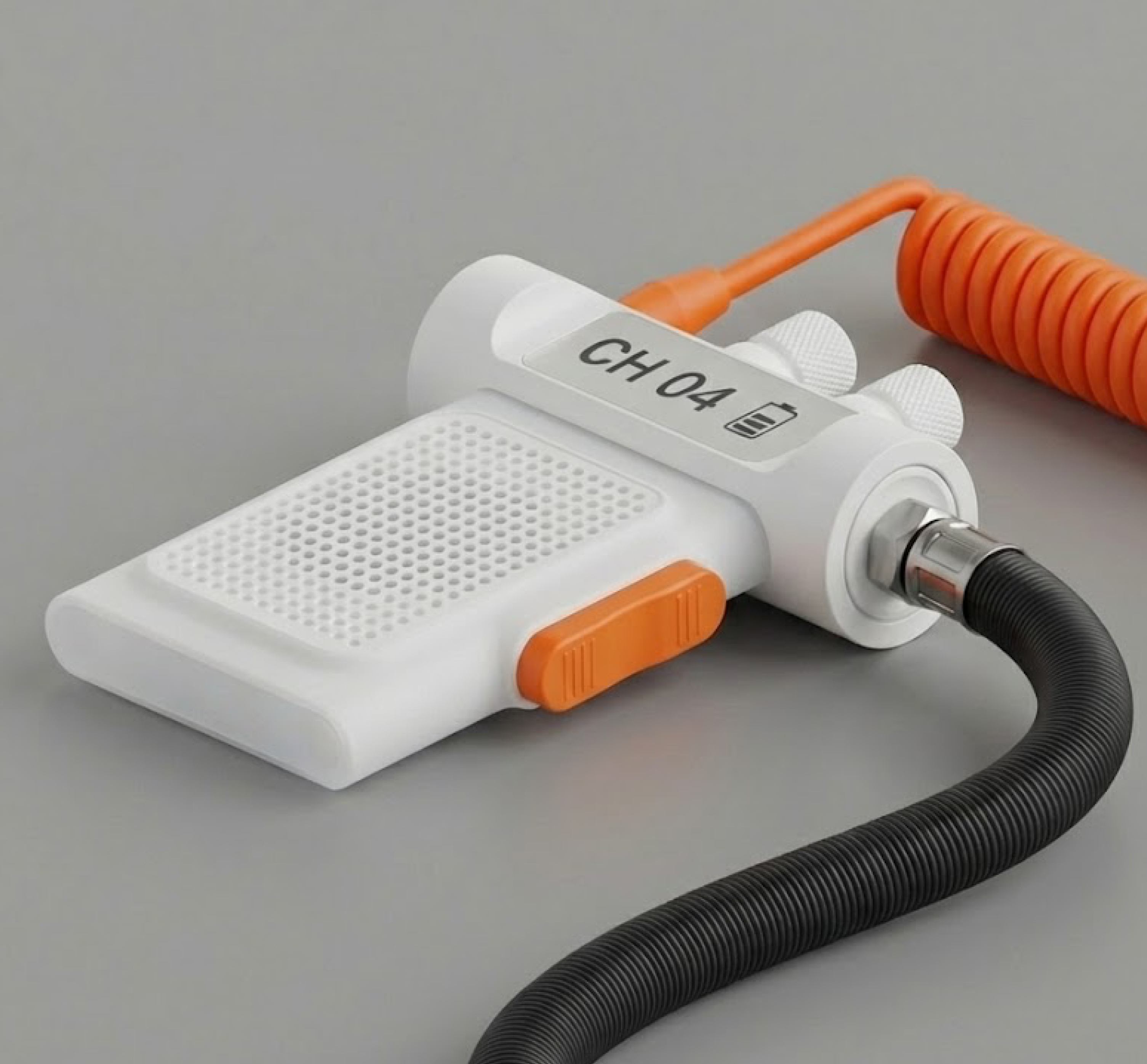
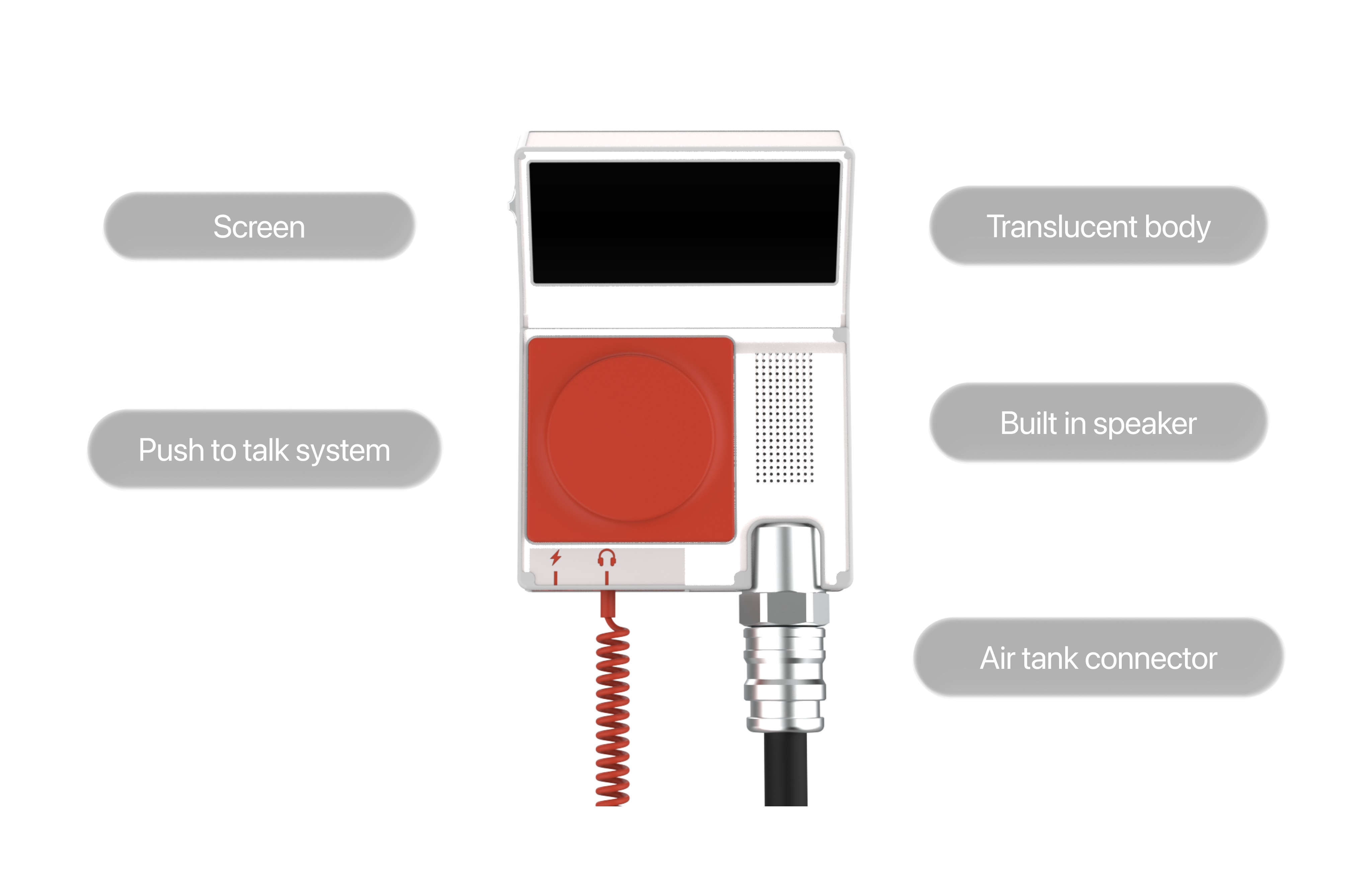
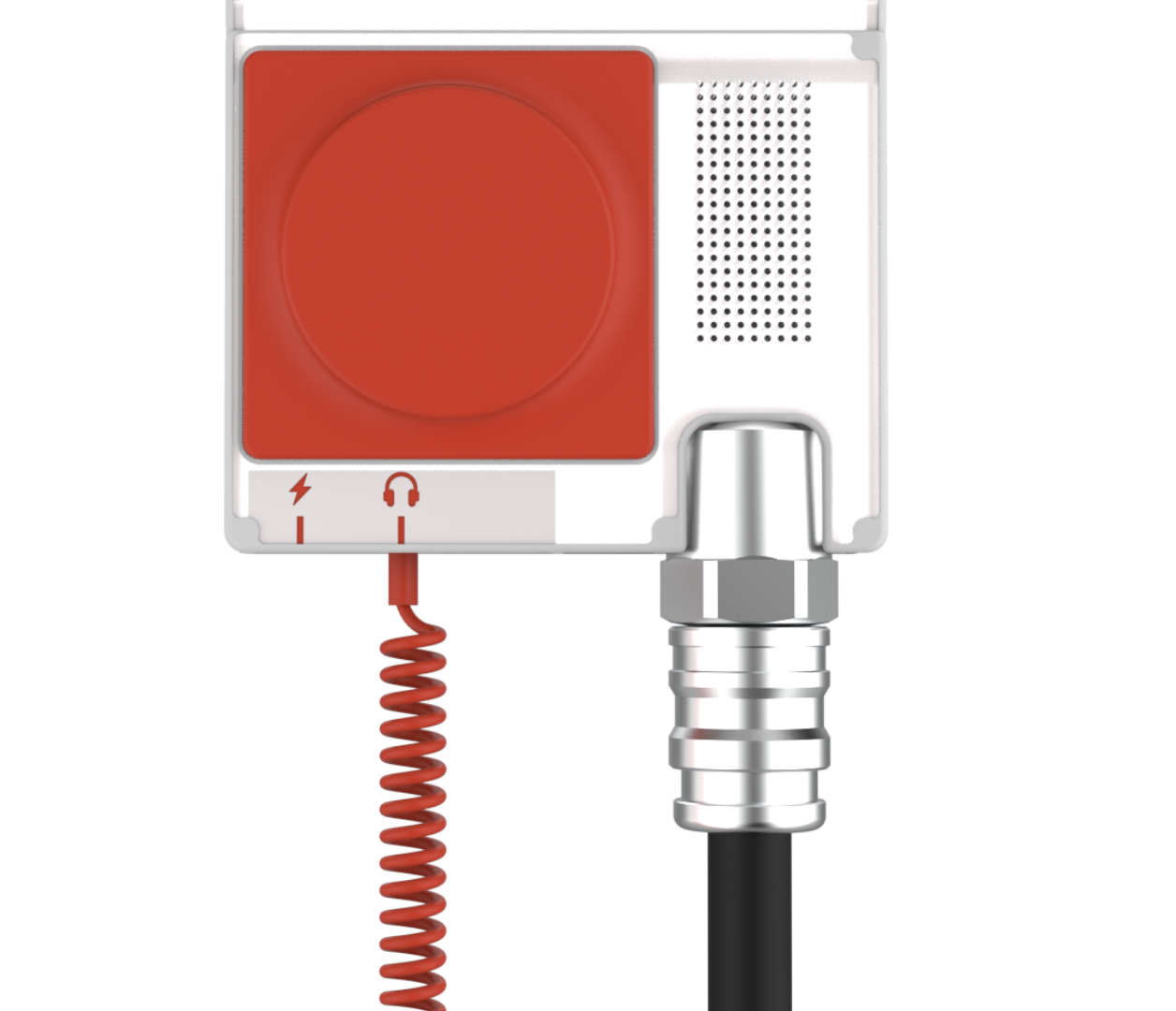
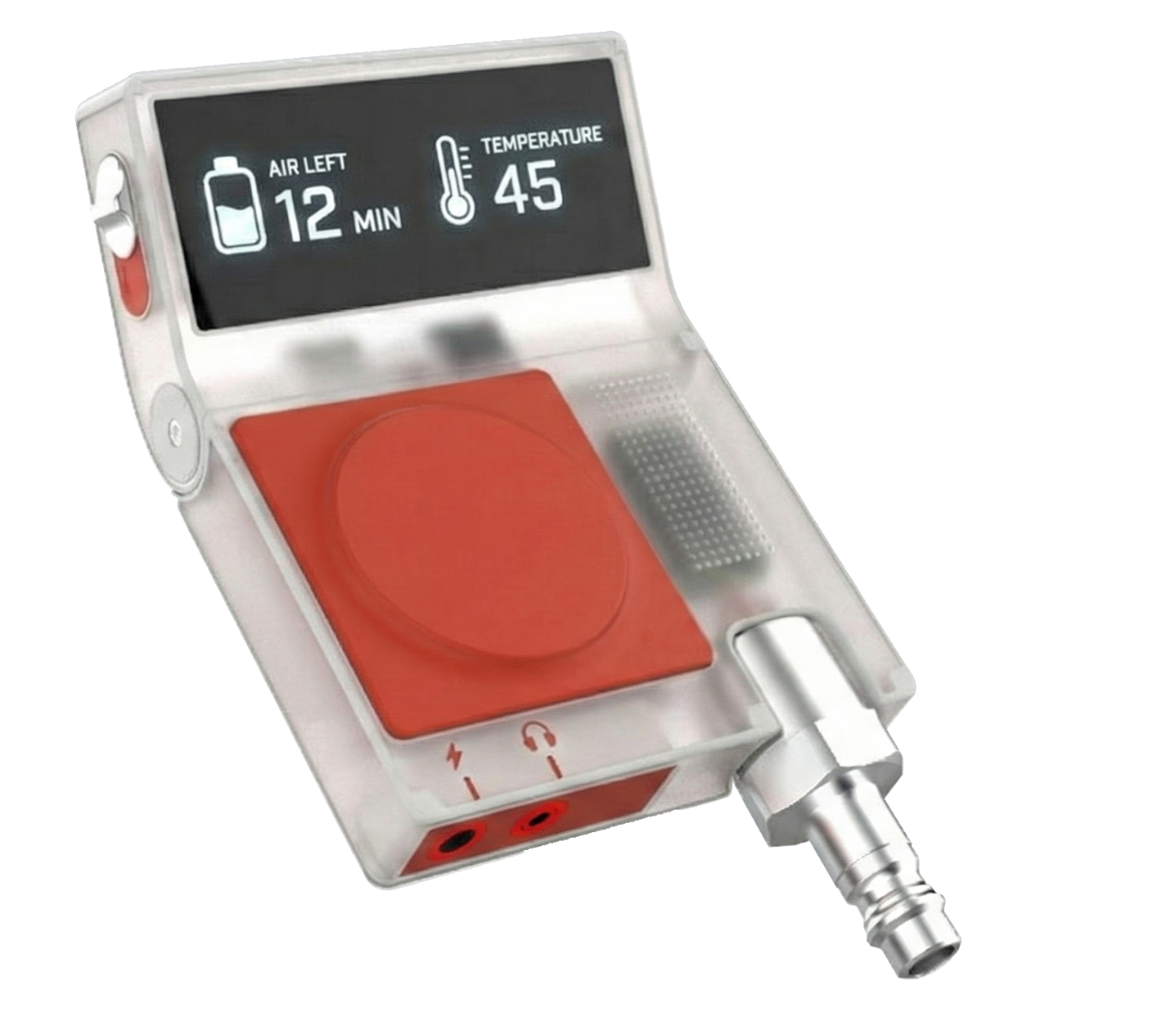
Our concept combines two of a firefighter's most important tools: the Push-to-Talk unit and the Air-Tank pressure gauge. This reduces the number of wearable devices and centralizes critical information in one place.
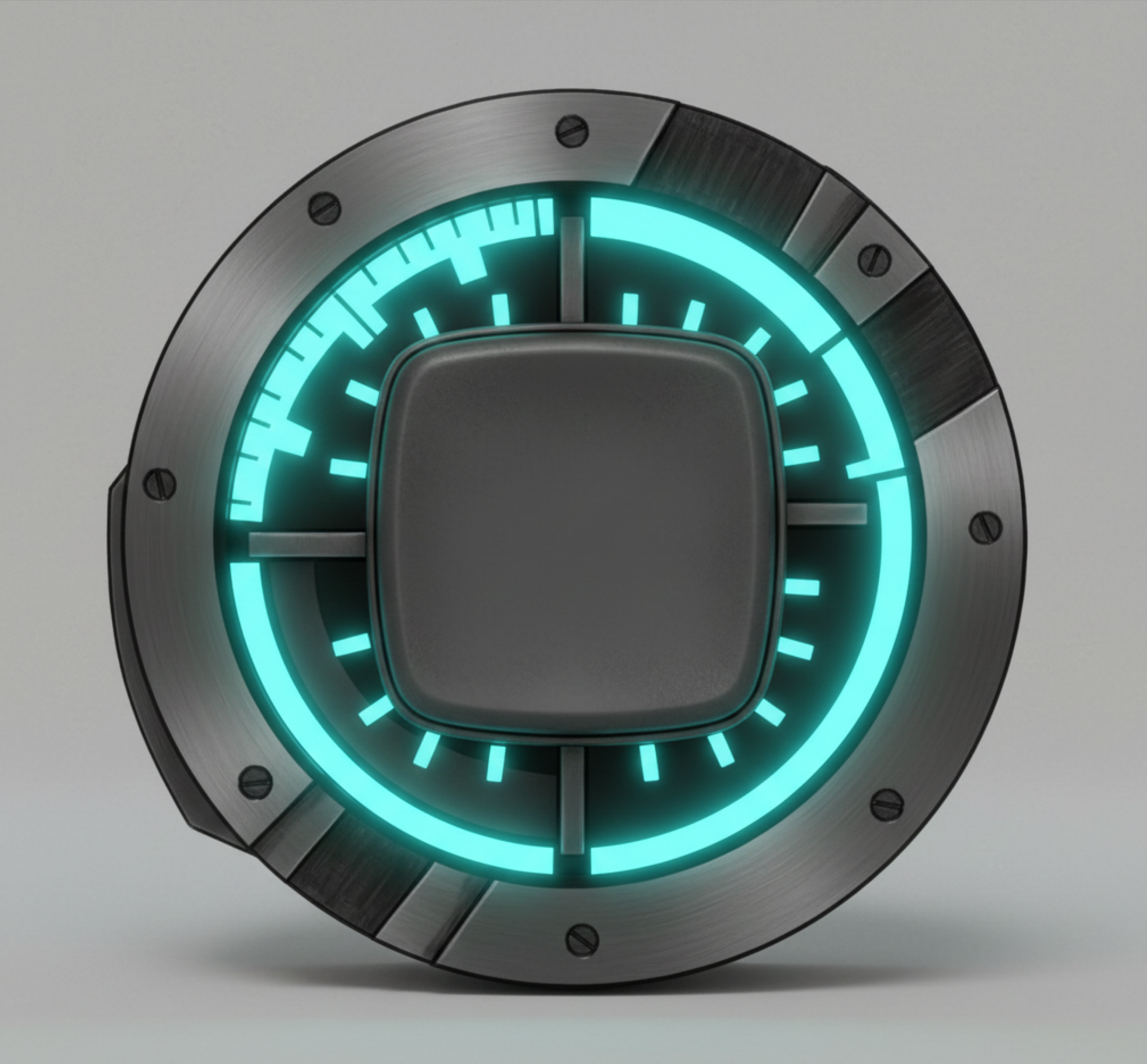
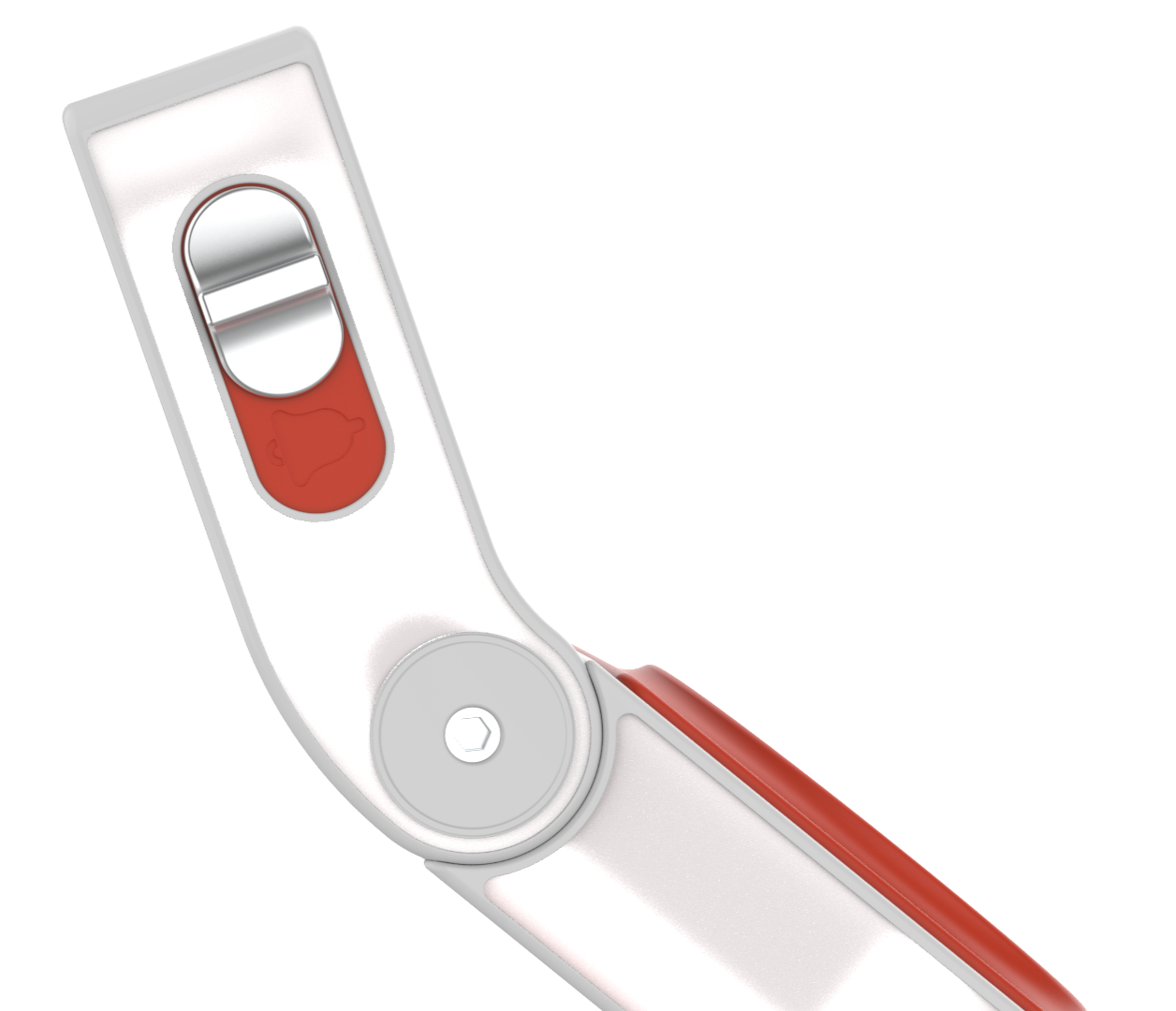
The device features an LLM-based speech interpreter, a digital screen with an adjustable viewing angle, and a translucent casing. The system warns of dangers (such as low air or high environmental temperature) using both visual and audio cues.
Clarifies radio messages and automatically prioritizes critical information.
Combines air pressure monitoring and communication, reducing equipment load.
Messages and warnings are delivered via both audio and visual notifications on screen.
Vision: By 2026, data will be utilized to enhance the firefighting process, and by 2030, the system will enable emergency automation and broader data utilization.
Leveraging AI with efficient data processing allows for versatile data usage, which can revolutionize how firefighting is performed in the future, improving safety and efficiency.